RHC SA / Services
Four services. One promise: a clean line.
One-time operations, yearly campaigns or monthly maintenance — the right service depends on flow, kind and amount of deposit. The tool is always designed for your line.
01 — Since 1996
Dewaxing
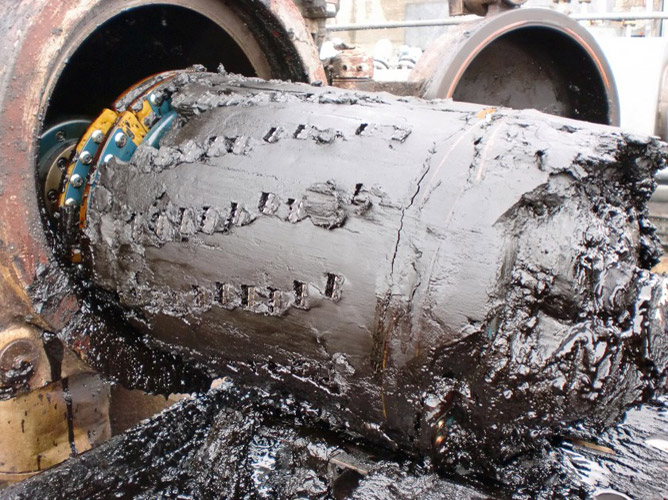
Since 1996, Reinhart Hydrocleaning SA has cleaned crude oil pipelines worldwide, with wax consistency from soft to very hard. Pipeline distances up to 450 km can currently be executed in one run, prior to the ILI (In-Line Inspection) run.
Depending on the parameters of the oil pipeline — oil velocity, reservoir age, wax consistency, previous ILI or in-house pigging campaigns with standard pigs — the Reinhart Cleaning Tool is designed and fabricated in-house.
In accordance with the client, a cleaning procedure is worked out before the campaign starts. It contains a specific number of runs with different RCTs, each with its own characteristics, cleaning the pipeline in stages — from “gentle” onwards to “effective”. The result: successfully executed ILI runs during RHC campaigns.
02 — Since 1952
Descaling
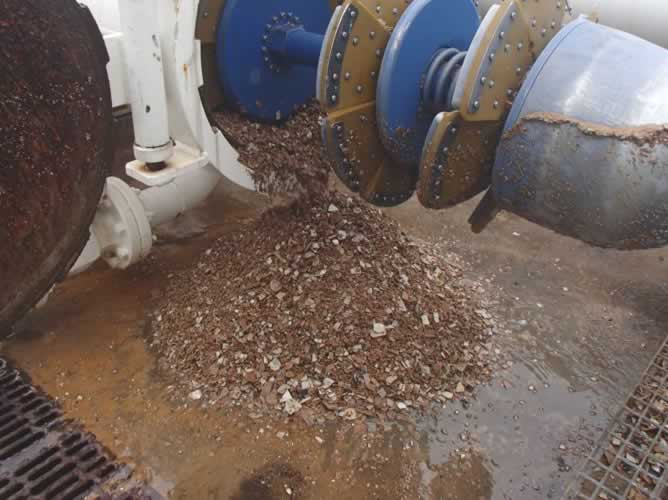
The first RCT was built to free a pipeline from built-up scale. Back in 1952, RHC successfully cleaned a water pipeline for a fire department — the operation that marked the beginning of our company.
Built-up scale is a problem every pipeline faces, whether made of steel or plastic. Once the first layer attaches to the pipe wall, scale can increase dramatically depending on fluid, flow rate and the chemical reaction of the fluids brought together. Left uncleaned, the line loses pressure, loses flow rate — and finally blocks completely.
Continuous improvement since 1952 now allows us to scrape off scale from water, brine, barium chloride, industrial waste and slurry pipelines, and even to free pipelines from Japanese black or epoxy coatings. A scale-free pipeline allows a proper ILI run to verify the line is free of corrosion, cracks or other damage.
03 — Since 2008
Stainless & Flexible Lines
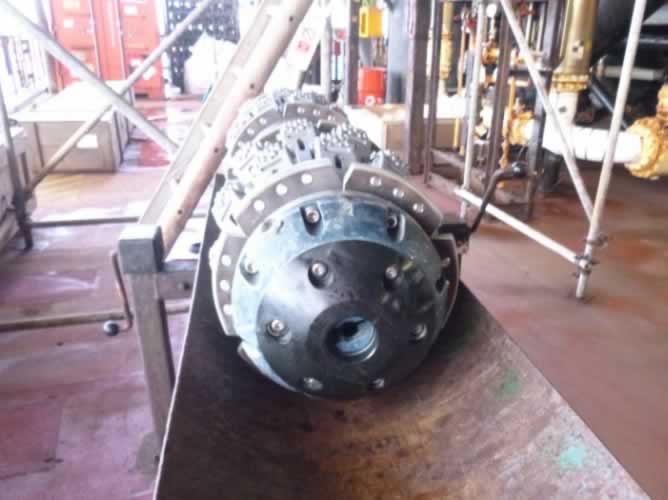
In 2007, RHC SA was mandated to clean a pipe fitted with a stainless-steel internal coating. The customer's wish to avoid scraping the internal surface pushed RHC SA to develop a new cleaning technology. In 2008, the first cleaning using a frictionless technique took place — and the pipe has been cleaned monthly with success ever since.
In 2010 came the first request to clean a flexible pipeline with a stainless-steel hose. This new challenge allowed RHC SA to adapt its traditional scraping RCT to stainless-steel coatings.
A frictionless technique and a scraping technique adapted to the technical limitations of the pipe: these are RHC SA's cleaning solutions for stainless-steel pipes and flexible lines.
04 — ILI ready
Pre-Inspection
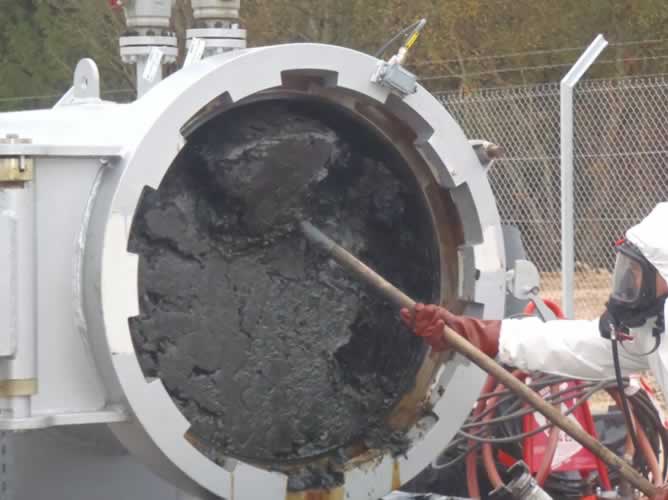
With former pipeline leakages and rig disasters in mind, the HSE pressure on the oil and gas industry keeps increasing. An ILI run is essential to verify a pipeline's condition and prevent harm to people or nature.
The most common inspection methods use an MFL (Magnetic Flux Leakage) pig or a UT (Ultrasonic Tool) run. As these pigs are sensitive — mountings, sensors, measurement — it is recommended to inspect a pipeline after a cleaning campaign.
Quite simply: cleaning a pipeline prior to inspection delivers full pipeline coverage and high-quality data after just one ILI run — which is cost-effective as well. Based on the ILI result, specific maintenance can be planned; on a regular basis, the line is then cleaned and re-inspected to keep its cleanliness and verify its condition.